Kalvin editorial desk · 2026
Understanding everyday choices that support a heart-aware lifestyle.
Published 12 October 2026 · Updated 12 October 2026

Think in patterns
Heart-aware living is not a single routine. It includes movement, rest, food, stress, relationships, and conversations with qualified professionals when needed. Kalvin focuses on practical context rather than dramatic claims. A useful plan should fit ordinary work, family life, climate, access, and personal preference.
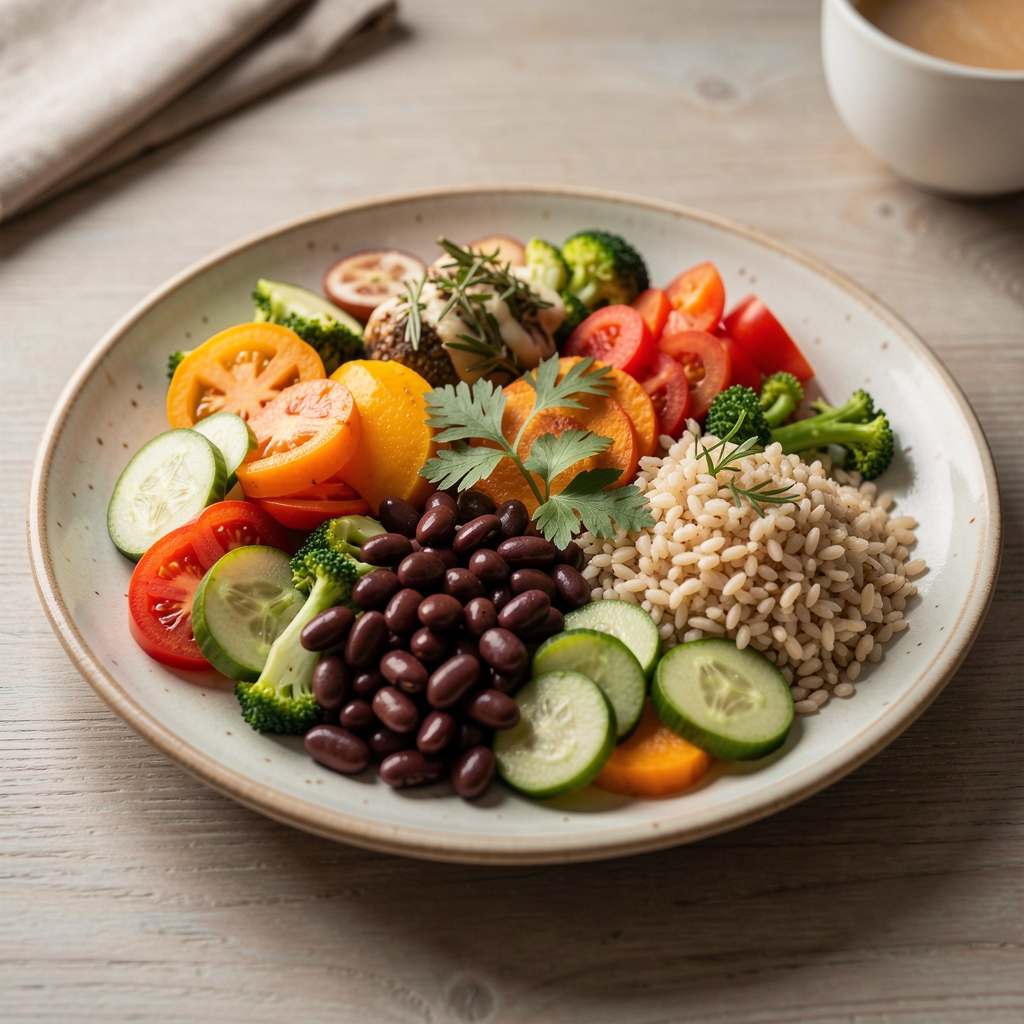
Make choices visible
Small observations can reveal how a schedule works. Notice when meals are rushed, when sitting extends through the day, or when recovery is repeatedly postponed. The purpose is not self-judgement but better questions.
Overview table
| Area | Useful observation | Possible question |
|---|---|---|
| Movement | How often do I change position? | What activity fits my current capacity? |
| Food | Which meals are regular and satisfying? | What makes planning easier? |
| Rest | What affects my evening rhythm? | What should I discuss with a professional? |
| Stress | Where does pressure change my routine? | Which boundary would create breathing room? |
A heart-aware weekly checklist
- Include movement that feels appropriate and repeatable.
- Make space for meals without treating food as a moral score.
- Notice sleep timing and recovery after demanding days.
- Keep appointments and questions in one private place.
- Ask for help when a concern is persistent or unfamiliar.
- Observe for one week.
- Choose one manageable adjustment.
- Review what was sustainable.
Important context
“A public article can support a conversation; it cannot perform an individual assessment.”
Do not delay urgent help because of something read online. Use local emergency services for urgent concerns and speak with an appropriate qualified professional for personal guidance.